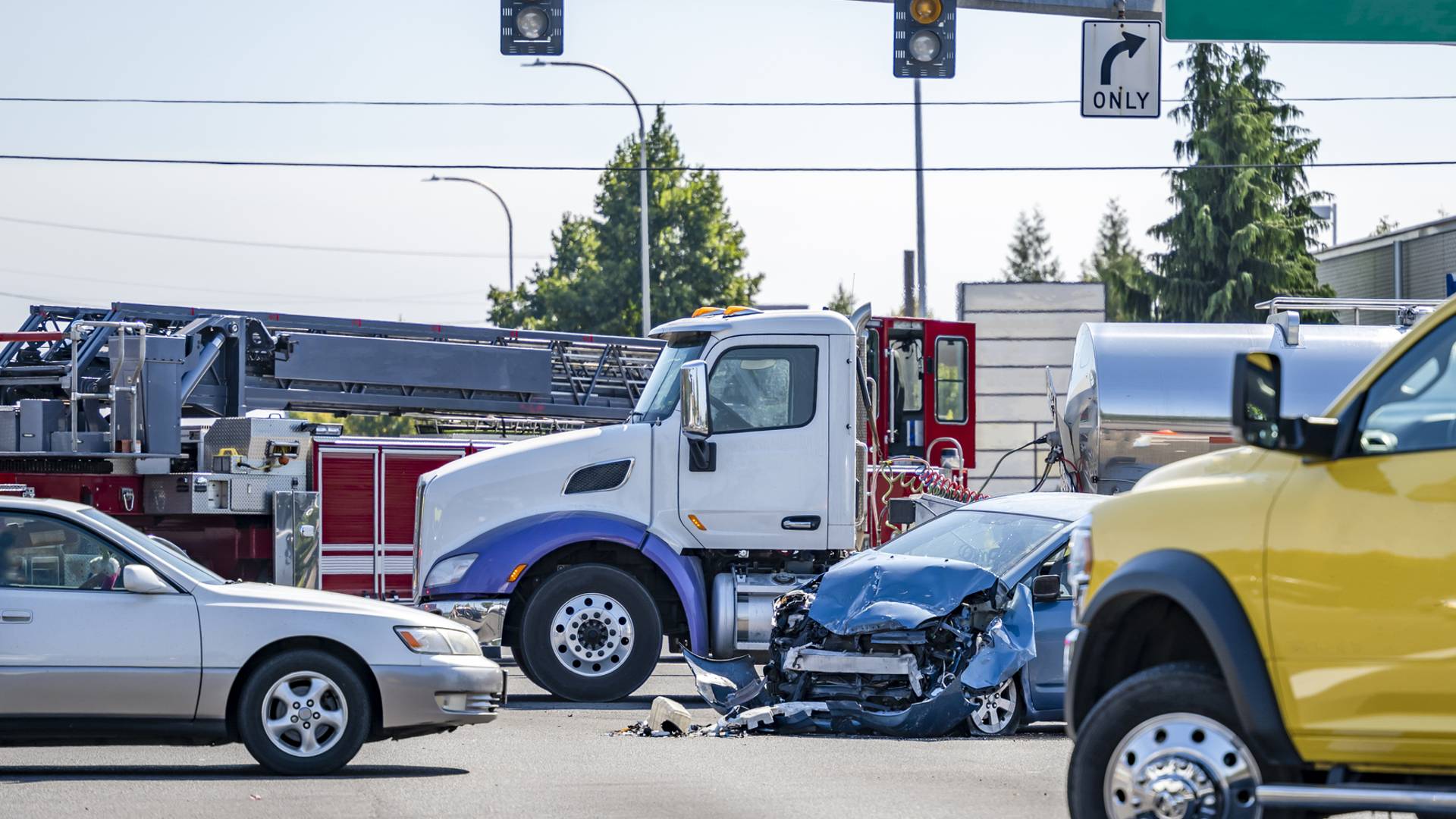
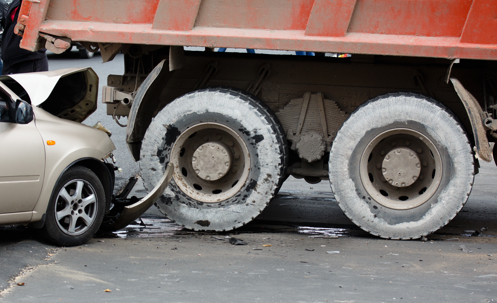
Commercial truck accidents can happen anywhere, but crashes on rural West Texas roads often present unique challenges. Long stretches of highway, limited witnesses, delayed emergency response times, and heavy commercial traffic can make preserving evidence especially important. Whether the collision occurs on a state highway, a farm-to-market road, or a major trucking route, the evidence gathered after a crash can play a significant role in understanding what happened and determining liability.
If you have been involved in a commercial truck accident, knowing what evidence may be available—and why it matters—can help you protect your rights while allowing your attorney to build a stronger claim.
Why Evidence Is Especially Important in Rural Truck Accident Cases
Unlike collisions in busy urban areas, rural crashes often occur in areas with scarce surveillance cameras and limited eyewitnesses. Physical evidence at the scene may become one of the most valuable sources of information.
Commercial truck accidents differ from standard passenger vehicle collisions because they often involve multiple parties. Depending on the circumstances, responsibility may extend beyond the truck driver to include the trucking company, a maintenance provider, a cargo loading company, or another third party. Gathering and preserving evidence can help identify every factor that contributed to the crash.
Because evidence can disappear quickly, taking action as soon as possible is often critical.
Photographs Can Tell an Important Story
If it is safe to do so, photographs taken immediately after a truck accident can help document the conditions that existed before vehicles are moved or debris is cleared away.
Images that may be helpful include:
- Damage to all vehicles involved
- Tire marks or skid marks on the roadway
- Debris scattered around the crash scene
- Road conditions, including potholes or uneven pavement
- Weather and visibility conditions
- Traffic signs and signals nearby
- Cargo that may have shifted or spilled
- The final resting positions of the vehicles
Photographs taken from multiple angles may help investigators reconstruct the sequence of events leading up to the collision.
Witness Information Can Be Valuable
Witnesses often leave the scene once emergency personnel arrive. If possible, obtaining names and contact information before they leave can be helpful.
Independent witnesses may provide observations about:
- The truck’s speed
- Lane changes
- Traffic conditions
- Driver behavior before the collision
- Weather or road hazards
Even if someone did not see the impact itself, they may have noticed events leading up to the crash that became important later.
Official Reports Provide an Important Foundation
Law enforcement officers typically prepare an accident report following a commercial truck collision. While the report may not determine legal liability, it often contains valuable information such as:
- Driver identification
- Insurance information
- Vehicle descriptions
- Preliminary observations
- Statements from drivers and witnesses
- Road and weather conditions
An attorney may use this report as one piece of a much larger investigation.
Electronic Data Can Reveal What Happened Before the Collision
Modern commercial trucks contain sophisticated electronic systems that record operational information.
Depending on the vehicle, available data may include:
- Vehicle speed
- Brake application
- Steering inputs
- Engine performance
- Hours of operation
- Sudden deceleration events
Many trucks also use Electronic Logging Devices (ELDs), which record driving hours and help determine whether federal hours-of-service regulations were followed.
Because electronic information may not be stored indefinitely, preserving this evidence quickly is often important.
Maintenance Records May Identify Mechanical Problems
Commercial trucks require routine inspections and maintenance to remain safe on the road.
Maintenance documentation may reveal whether:
- Required inspections were completed
- Brake systems were properly serviced
- Tire replacements were delayed
- Mechanical defects existed before the collision
- Repairs were postponed despite known issues
If poor maintenance contributed to the crash, these records may become significant during an investigation.
Cargo Documentation Can Help Explain the Crash
Improperly loaded cargo can affect how a commercial truck handles during braking, turning, or emergency maneuvers.
Evidence related to cargo may include:
- Bills of lading
- Weight tickets
- Loading instructions
- Inspection reports
- Photographs of cargo securement
These records may help determine whether overloaded or improperly secured cargo contributed to the collision.
Medical Records Help Connect Injuries to the Crash
Seeking prompt medical care benefits both your health and your legal claim.
Medical documentation may establish:
- The nature of your injuries
- When treatment began
- Recommended medical care
- Recovery progress
- Future treatment needs
Even injuries that initially appear minor should be evaluated, as symptoms may develop over several days.
Keep Personal Documentation Throughout Your Recovery
Evidence is not limited to information gathered at the crash scene.
Many people find it helpful to keep records such as:
- Medical appointments
- Prescription expenses
- Mileage to treatment
- Missed work
- Physical limitations
- Daily pain levels
A personal journal documenting how injuries affect everyday life may also provide valuable context as your recovery continues.
Why Acting Quickly Can Make a Difference
Commercial trucking companies often begin investigating serious crashes immediately. Evidence may be collected within hours, vehicles may be moved, and electronic data can eventually be overwritten if it is not preserved.
Prompt legal representation allows steps to be taken to preserve important evidence before it becomes unavailable. Early investigation may also identify additional sources of information that would otherwise be difficult to obtain later.
Every truck accident presents different facts, and no single piece of evidence determines the outcome of a claim. Instead, a thorough investigation often relies on many different forms of documentation working together to create a complete picture of what occurred.
If you or someone you love has been injured in a commercial truck accident on a rural West Texas road, obtaining experienced legal guidance as early as possible can help protect important evidence and your legal rights.
Contact Kemmy Law Firm, P.C. today at (830) 264-6297 to discuss your situation and learn how our team can assist you.